


ABOUT THE FILM
HOW CIVIL SOCIETY BROUGHT MULTINATIONALS TO HEEL
Multinationals are masters in the art of tax dodging, depriving governments of precious tax revenues ($600 billion a year, according to the IMF). Tax Wars tells the story of a handful of high-flying experts’ fight to get multinationals to pay their taxes. These knights of tax justice helped write the agreement signed in 2021 by 136 states to impose a global minimum tax of 15% on the profits of multinationals. Citizen involvement can move the lines.







WATCH THE
Talks
17/03/2024
FIFDH genève
SPEAKERS / Hege Dehli – Eva Wuchold – Jayati Ghosh – Bernard E. Harcourt – Geoff Mann – Corine Pelluchon – Marie-Laure Salles
22/03/2024
Belfort
Speakers / Eva Joly – Séverine Picard – Maximilien Malbête – Philippe Petitcolin
Moderator / Thibaut Quartier
30/06/2024
Paris
Speakers / Pascal Saint-Amans, former Director of the OECD’s Centre for Tax Policy and Administration, and Gabriel Zucman, Director of the European Tax Observatory and University Professor at the École Normale Supérieure.
Moderator / Salomé Saqué, journalist.
DISCOVER
The characters
of the film
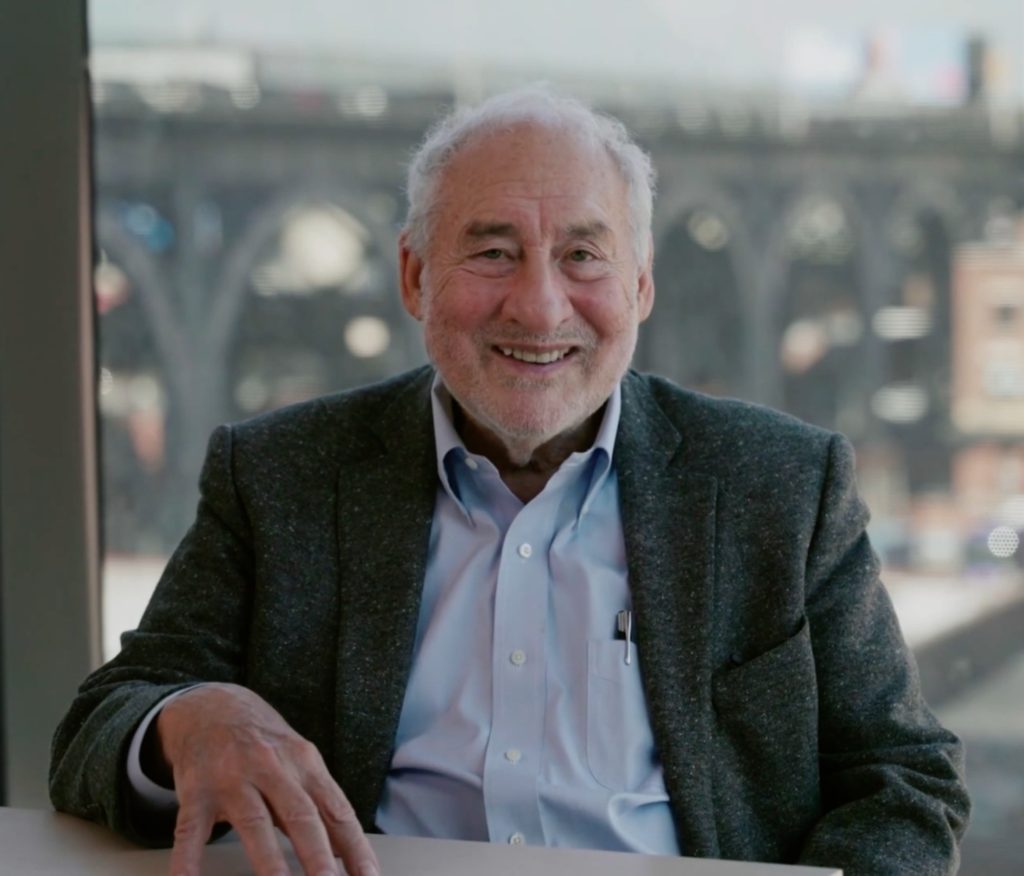
JOSEPH STIGLITZ
Economist, Nobel Prize in Economics
Joseph Stiglitz, winner of the Nobel Prize in Economics and former chief economist of the World Bank, which he left with a bang in 2002, Co-chairs ICRICT. For the American economist, “tax competition between countries is the most toxic aspect of globalization”. Apart from multinationals, there are only losers.

Jayati GHOSH
Professor at the University of Massachusetts Amherst (USA)
This Indian economist, regularly consulted by the United Nations on tax issues, is co-president of ICRICT. Jayati Ghosh defends the idea of unitary taxation of multinationals. “Amazon, Google, all the multinationals behave as one company,” she explains, “let’s treat them as one company.”
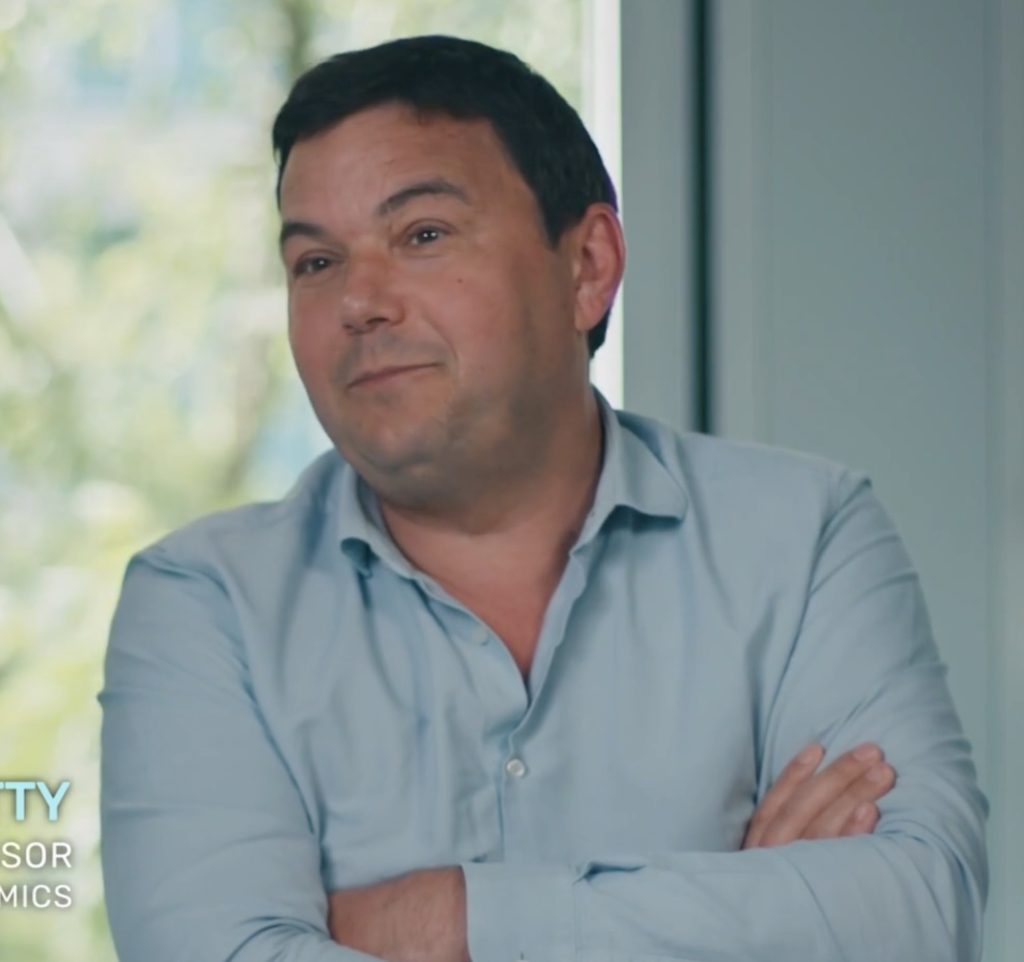
Thomas Piketty
Professor at the Paris School of Economics
Professor at the Paris School of Economics, Thomas Piketty is the author of the international bestseller Le Capital au XXIème siècle. His work on inequality has inspired a whole generation of economists.
“We have a system that has become deeply biased in favor of multinationals, which is catastrophic for our social contract”, he says.
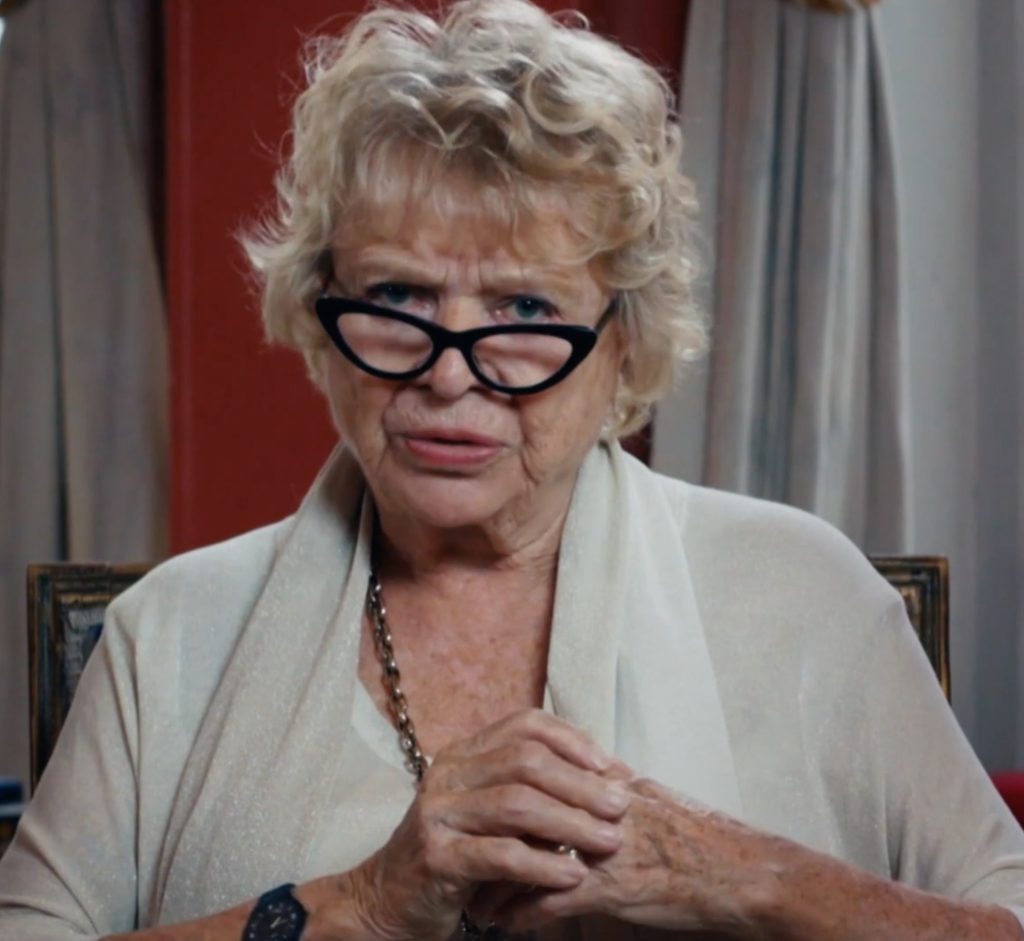
EVA JOLY
Lawyer and former Member of the European Parliament
Eva Joly was born in Norway but has spent most of her career in France. A former magistrate and Member of the European Parliament, she is now a lawyer. She is taking legal action against multinationals that artificially house their profits in tax havens.
“For decades, everything was hidden, she explains. It was high time for the courts to take up the issue of multinational taxation.”
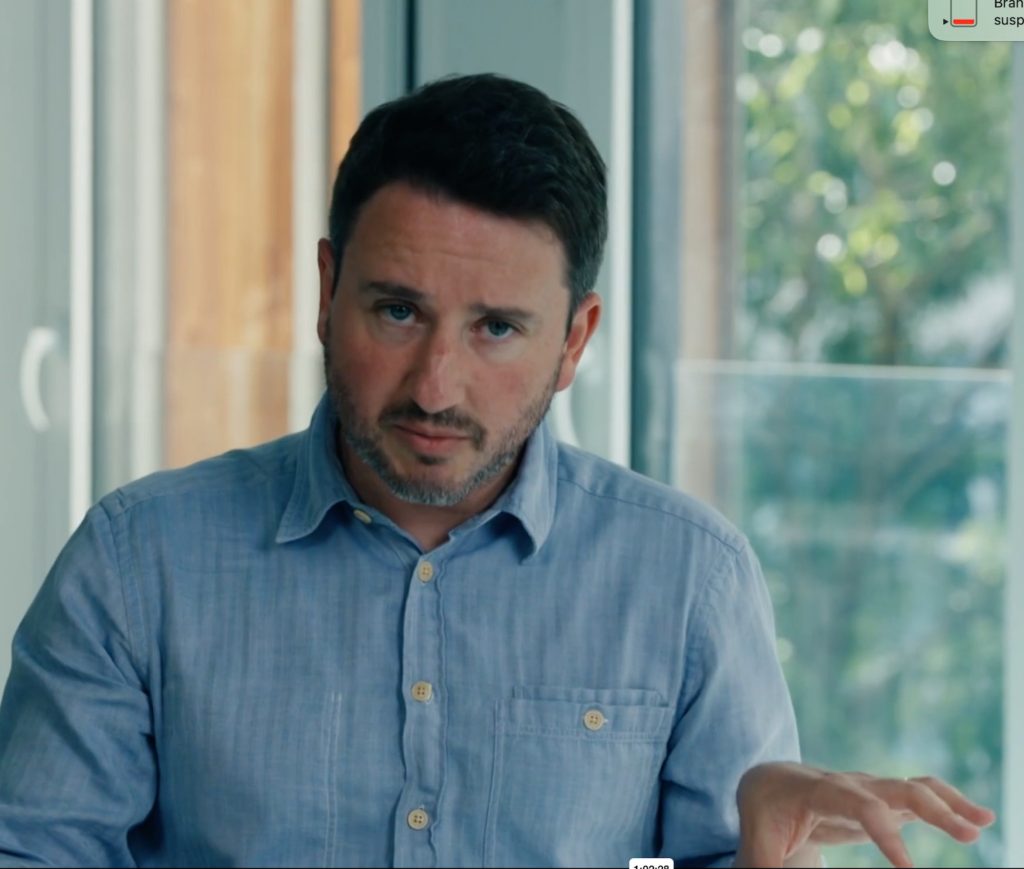
Gabriel Zucman
Director, European Tax Observatory
Professor at the Paris School of Economics, this young French economist is founder and director of the European Tax Observatory. His work revealed that 40% of multinationals’ profits were housed in tax havens. He wants to broaden the fight.
“What we’ve done for multinationals, says Gabriel Zucman, we need to do for the very wealthy who manage to avoid income tax altogether.”
.
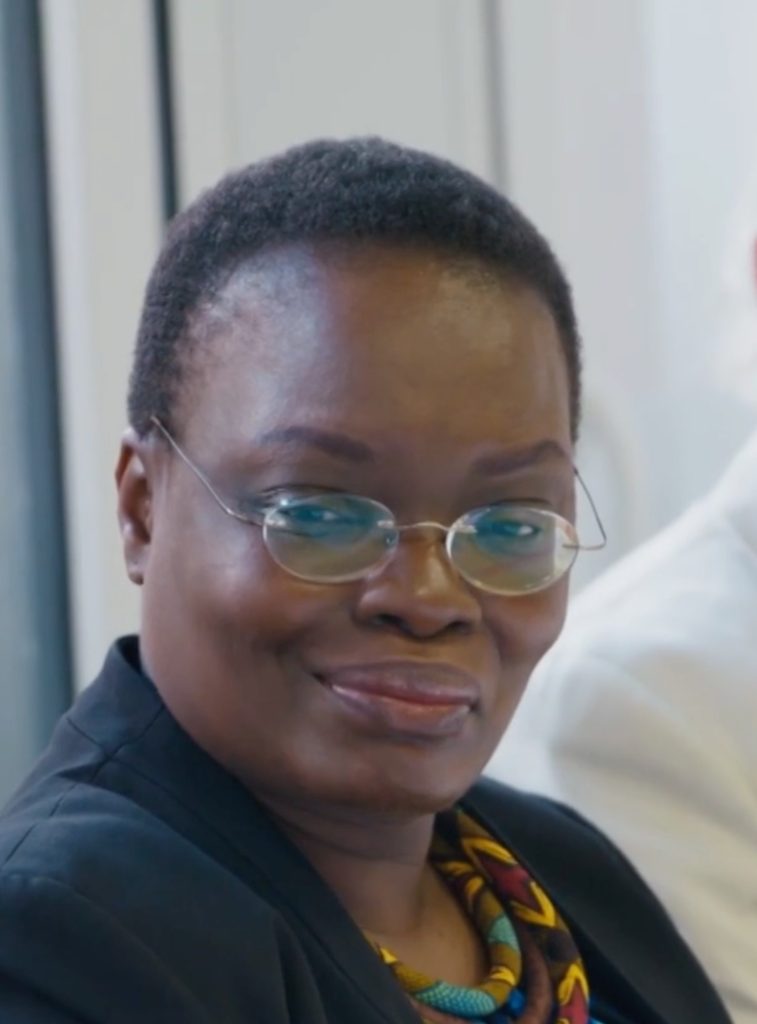
Irene Ovonji ODIDA
Lawyer, member of the Pan-African Lawyers’ Union
Irene Ovonji-Odida is one of ICRICT’s African voices. Originally from Uganda, this lawyer and human rights activist has been denouncing the ravages of tax evasion on the African continent for years. “The fight for tax justice, she explains, is the equivalent of the fight for civil rights, for our generations.”
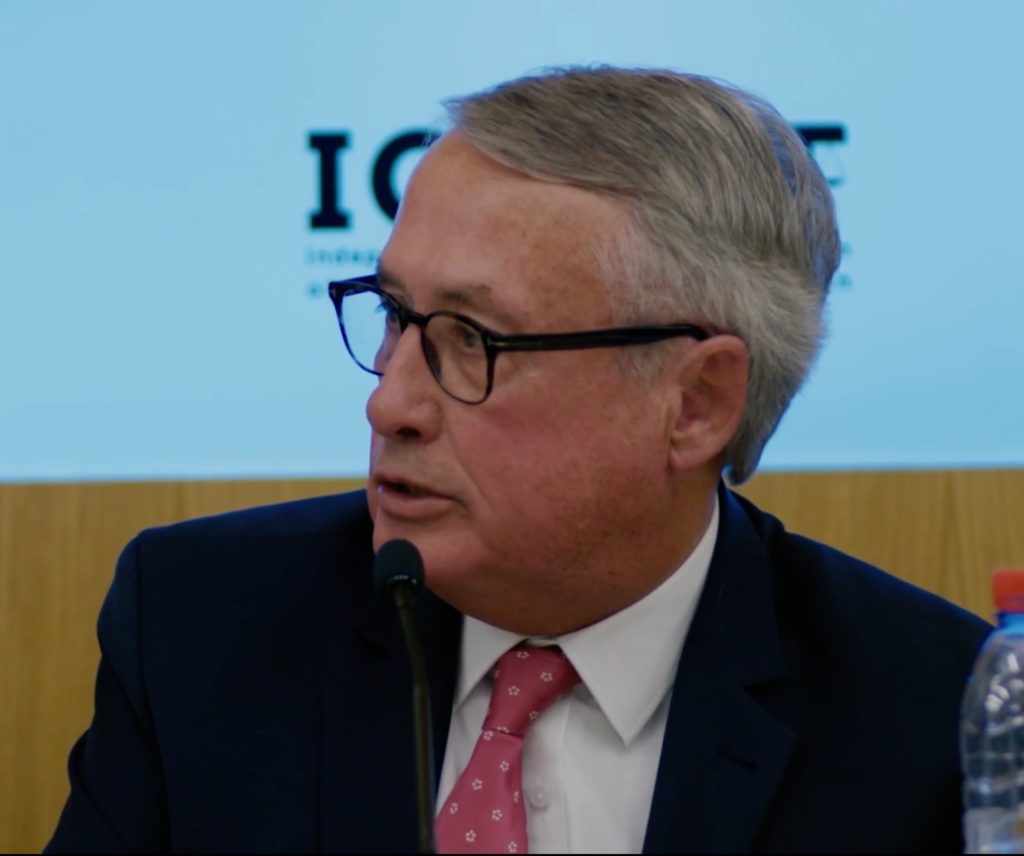
WAYNE SWAN
Former Finance Minister of Australia
A member of the Australian Labor Party, Wayne Swan was his country’s finance minister and deputy prime minister. After years of battling against multinational tax evasion, he decided to put his experience as a policymaker to work for ICRICT. “I joined Icrict, he explains, because I was able to see in my own country how multinationals were escaping taxation.”
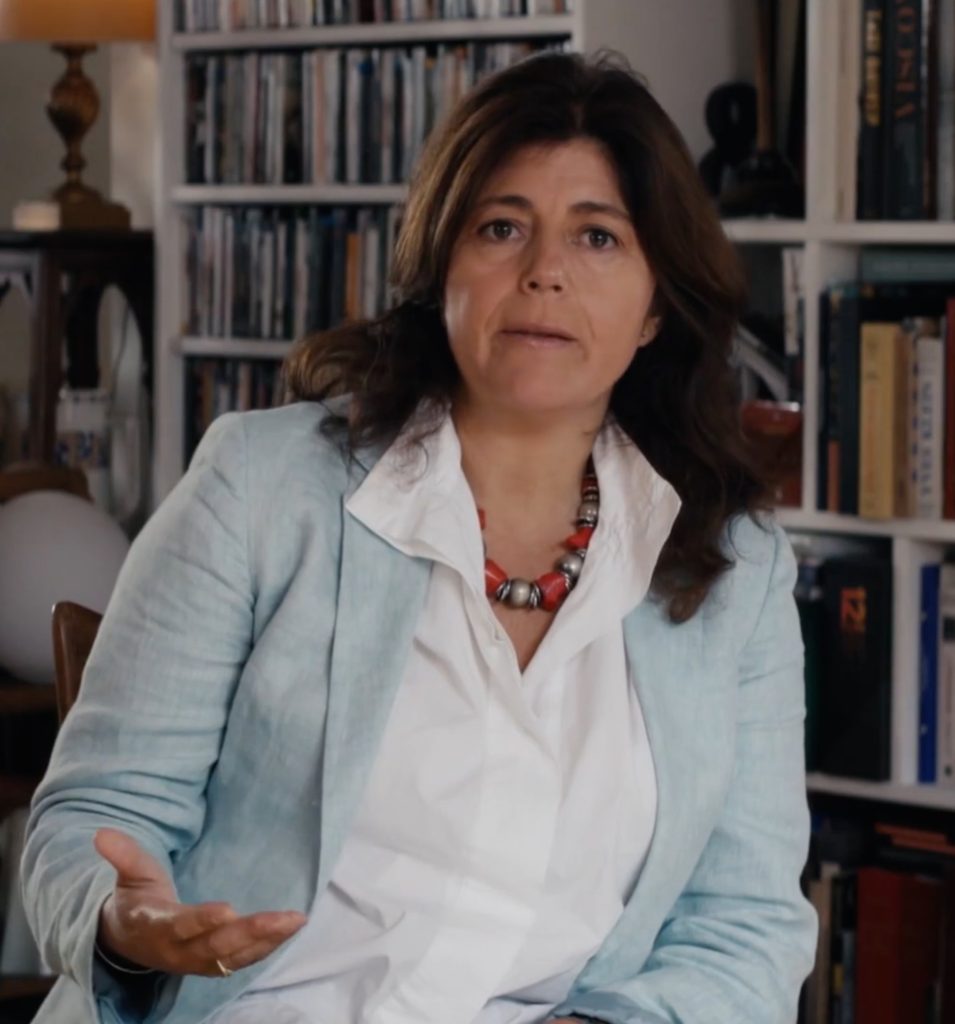
Magdalena Sepulveda
Lawyer, Director of Global Initiative for Economic, Social and Cultural Rights (GI-ESCR)
This Chilean lawyer was a United Nations rapporteur on extreme poverty and human rights. Today, she heads the NGO Global Initiative for Economic, Social and Cultural Rights.
“If multinationals don’t pay their fair share, it affects our daily lives, explains Magdalena Sepulveda. It creates inequality and social unrest, and a violation of human rights.”
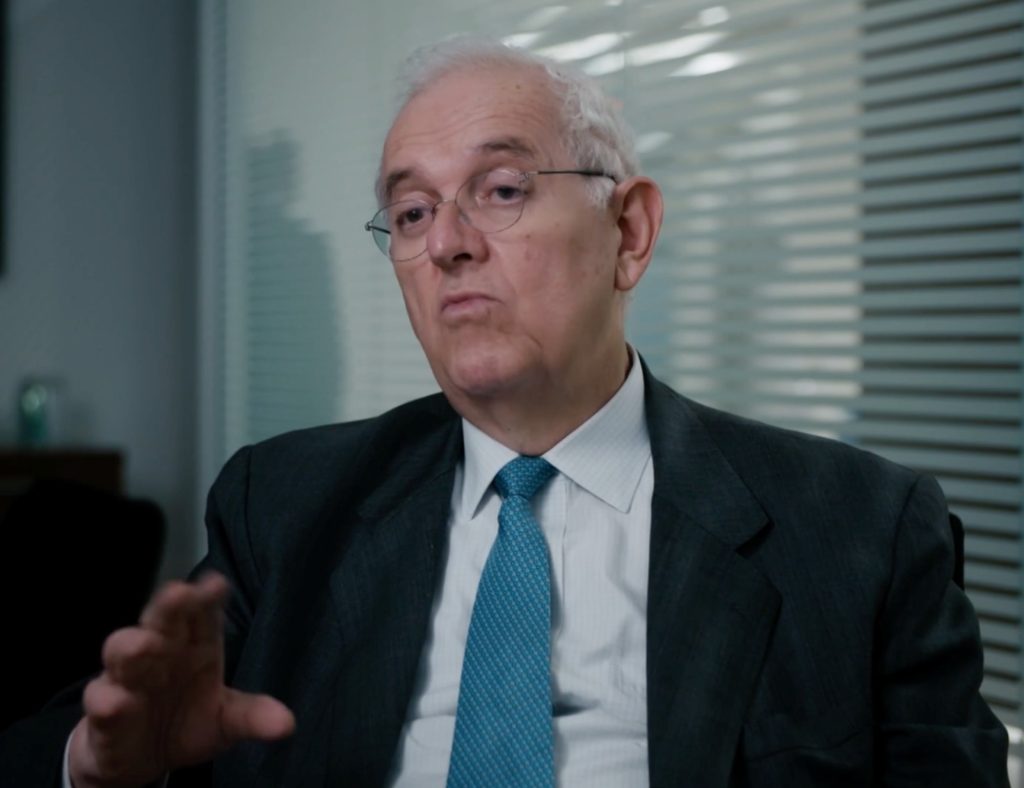
José Antonio OCAMPO
Economist, former Finance Minister of Colombia
A former Colombian Finance Minister, José Antonio Ocampo is one of the founding members of ICRICT, of which he was president for seven years. The OECD agreement on the taxation of multinationals is severely criticized. He points out that
“all studies show that most of the benefits of tax reform – between 85% and 90% – go to developed countries.”

Susana Ruiz Rodriguez
Director of Tax Justice, Oxfam International
Susana Ruiz Rodriguez is Head of Tax Justice at Oxfam International. Before joining this non-governmental organization, she worked for major corporations and consulting firms. She deplores the fact that the global minimum tax rate on multinationals’ profits does not exceed 15%. “From the start of the negotiations, she says, many multinationals and tax havens lobbied the OECD to limit the agreement’s ambition.”
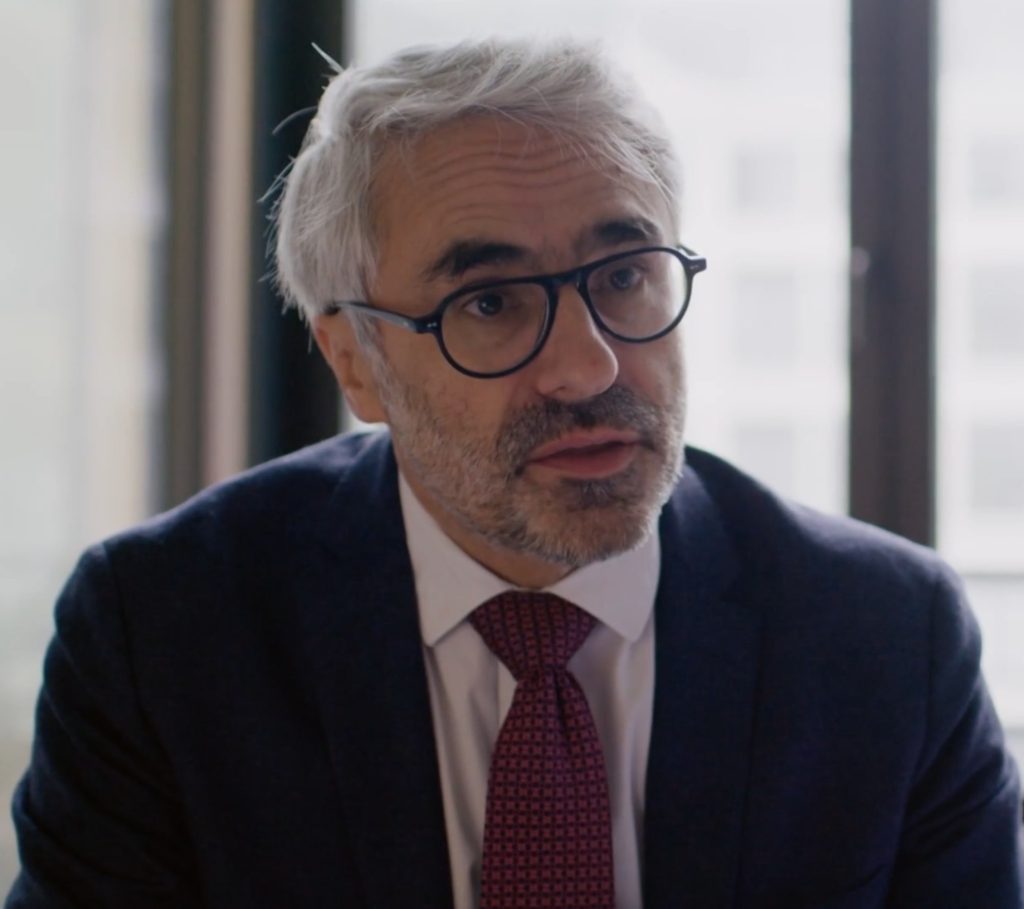
Pascal Saint-Amans
Former Director of the OECD Centre for Tax Policy and Administration
This French civil servant is the former Director of the OECD’s Tax Competition Department. For ten years, he steered the negotiations that led to an international agreement to introduce a 15% minimum tax rate on the profits of multinationals. He explains that
“it took the 2008 financial crisis for all countries to wake up.”
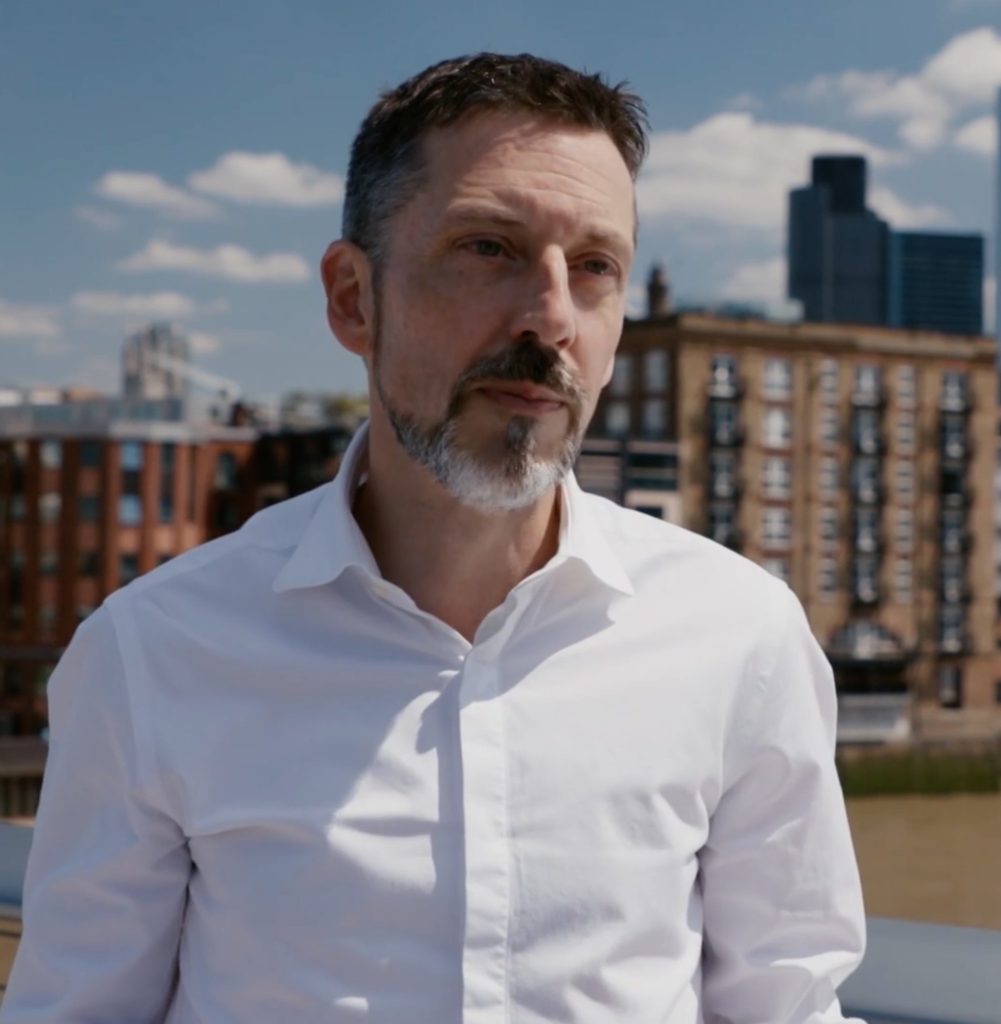
Alex COBHAM
Director of Tax Justice Network
This British economist heads up the Tax Justice Network. Created in 2003, this NGO was the first to denounce the toxic role of tax havens in globalization. Alex Cobham points out that tax evasion is not an abstract problem, but has direct consequences on infant mortality, for example.
“It’s sometimes said that death and taxes are the only things certain, but in fact, he explains, it’s tax evasion that makes these early deaths certain.”
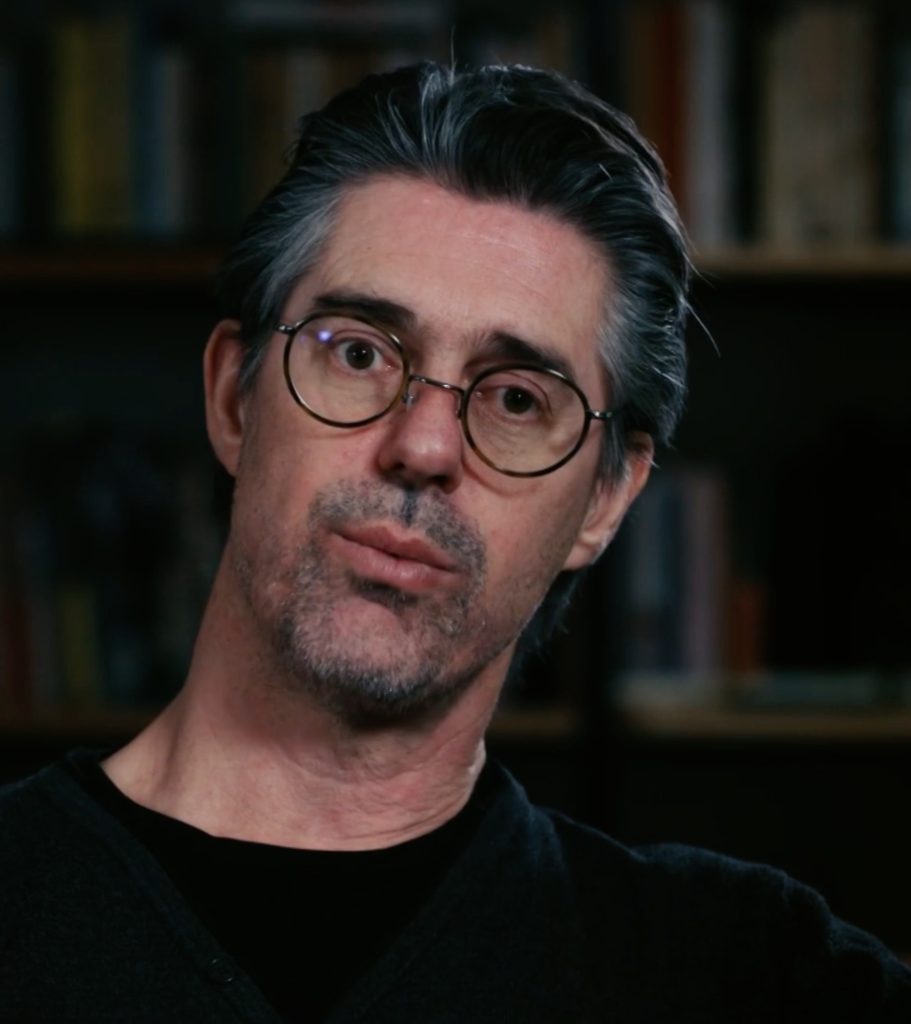
Daniel Bertossa
General Secretary of Public Services International (PSI)
Daniel Bertossa is General Secretary of Public Services International, which represents 30 million employees in over 150 countries. For this Australian, tax evasion is catastrophic for public services and employees. With multinationals’ profits artificially lodged in tax havens, employees can no longer put pressure on multinationals for a better sharing of added value. He reminds us that
“the current system for taxing multinational companies was set up nearly a century ago.”
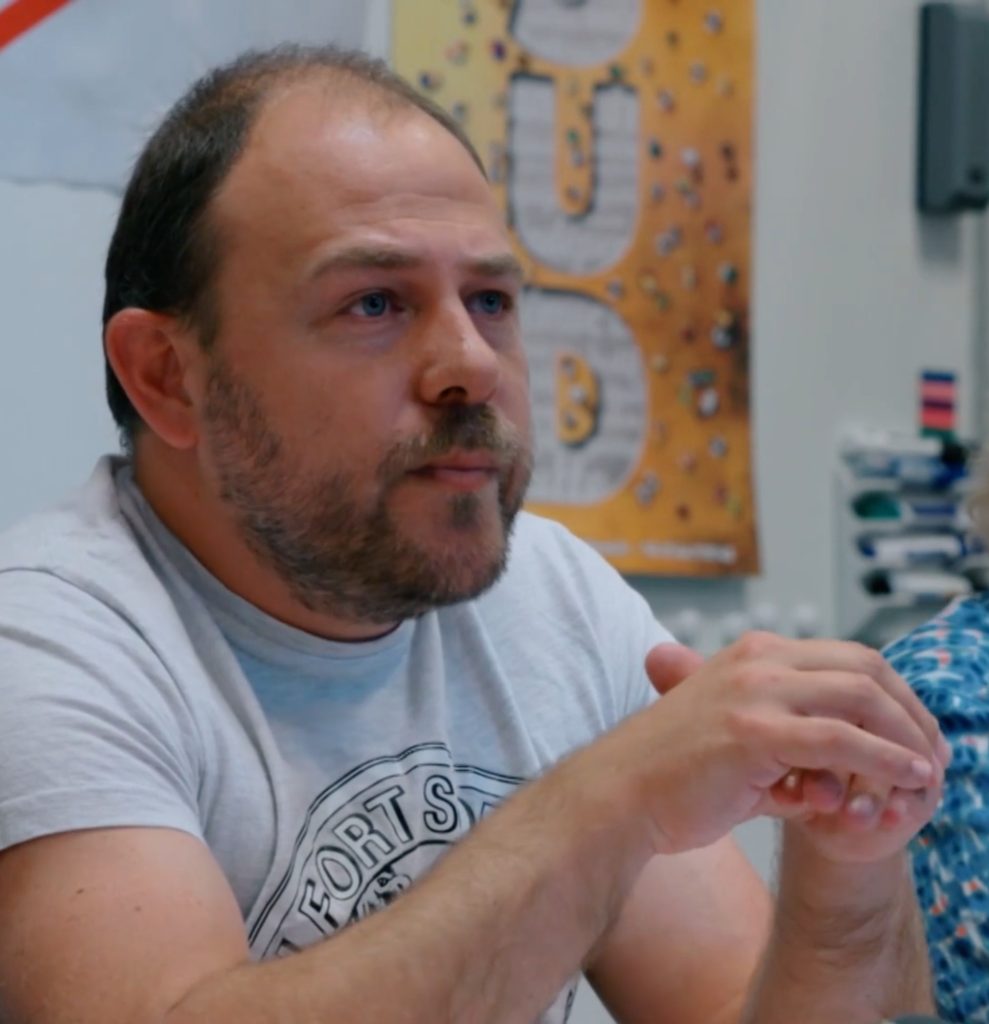
Philippe PetitCOLIN
Trade unionist and Alstom Energie employee
This employee of Alstom Energie in Belfort uncovered General Electric’s schemes for offshoring the French company’s profits to tax havens. An investigation into tax fraud has been opened. The trade unionist explains that
“the artificial deficit created in France by these arrangements is used as an argument to cut jobs and relocate to low-cost countries.”
MEET
THE CREATIVE TEAM
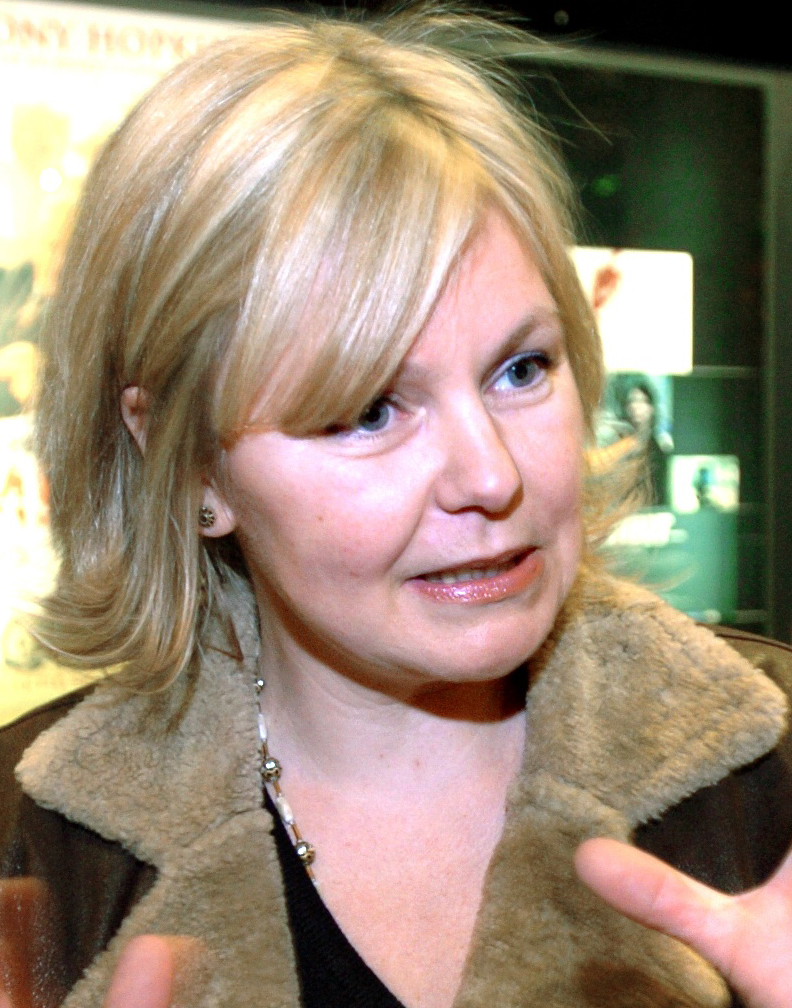
HEGE DEHLI
Director and PRODUCER (MECHANIX FILM)
Hege Dehli was born in Norway, but divides her life and work between Norway and France. She has been producing and directing films for over thirty years, notably with former magistrate and European deputy Eva Joly. When Eva Joly spoke to her about ICRICT, she immediately understood that there was material for a film: Tax Wars, which she directed, wrote and produced.

FABRICE ESTEVE
PRODUCER (YUZU PRODUCTIONS)
Fabrice Estève has produced over 150 films, many of them international co-productions. He is co-founder of the Association Science et Télévision, which brings together over fifty French production companies.
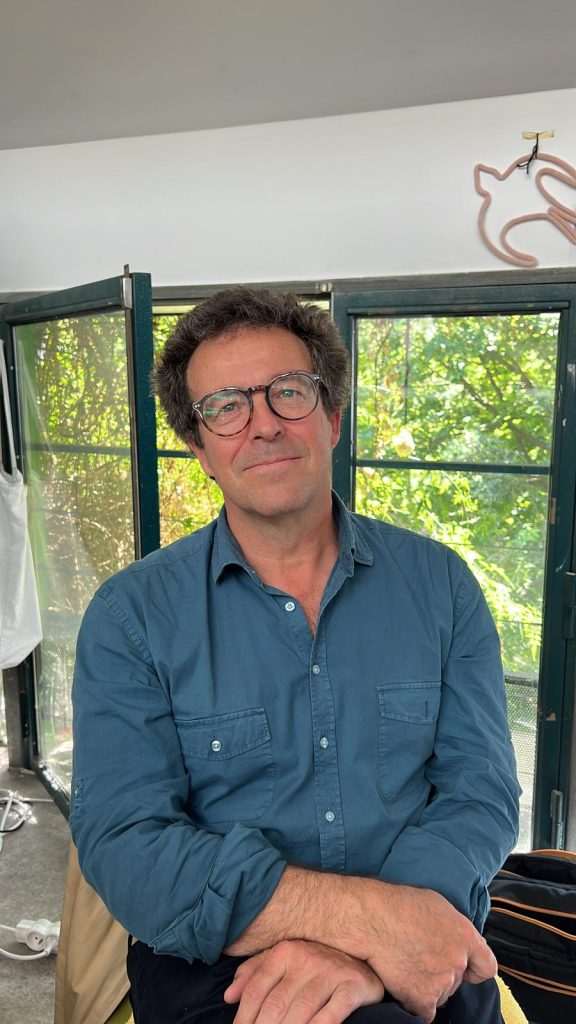
XAVIER HAREL
CO-DIRECTOR
Xavier Harel is a comic book writer, director and scriptwriter. He has already devoted a book to tax havens and tax evasion (La grande évasion, published by Les Liens qui libèrent) and a film (Evasion fiscale: le hold-up du siècle broadcast on Arte). He is co-director and co-writer of Tax Wars.
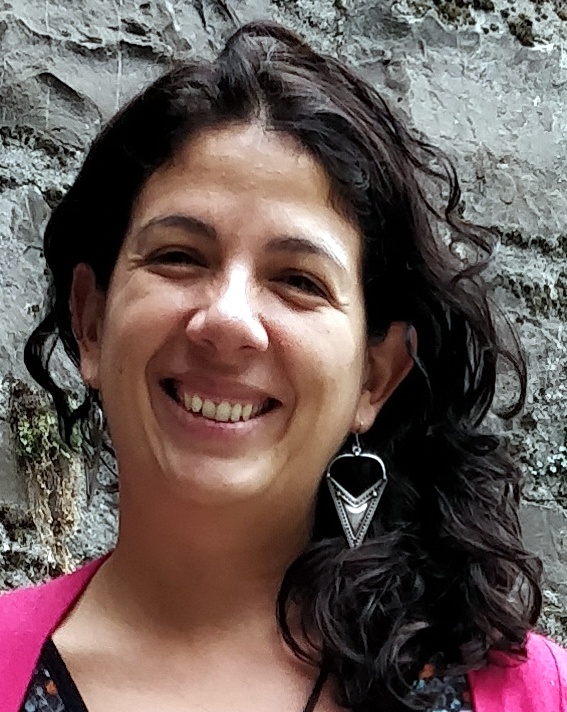
Lamia Oualalou
CO-AUTHOR
Lamia Oualalou is a journalist, author, filmmaker and communications specialist. Lamia got to know the ICRICT in Mexico, becoming its penwoman for a few years, working with the commissioners on a daily basis. That’s how she met Hege, who told her about her idea to make a film about civil society’s battle to make multinationals pay their fair share of taxes, based on the human adventure that is the ICRICT.
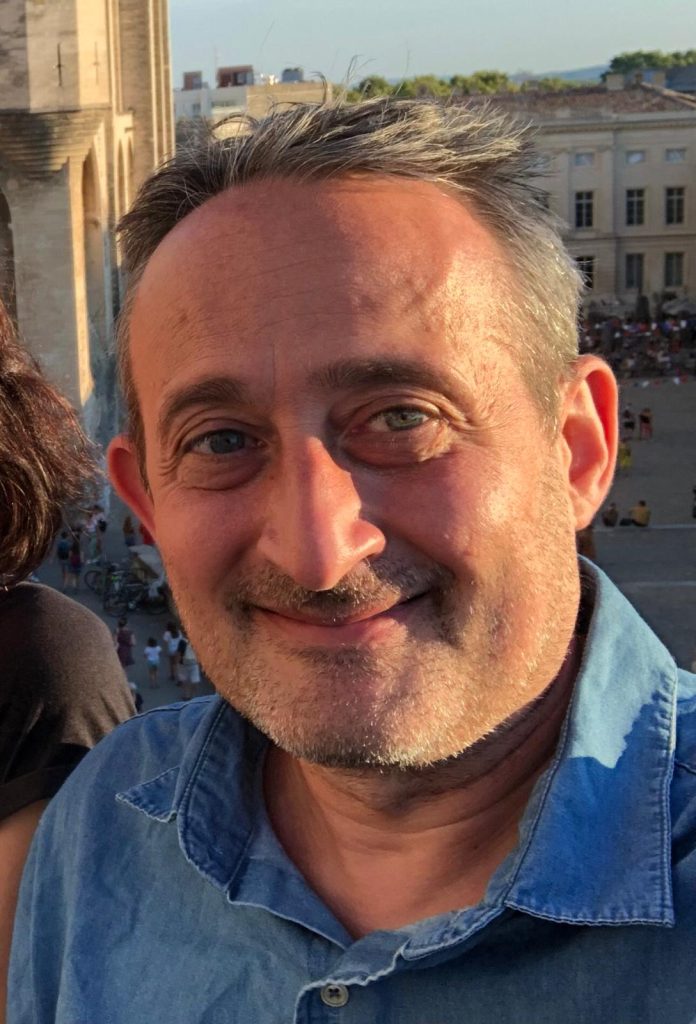
SERGE TURQUIER
Editor
A former film director, Serge Turquier has edited over fifty documentaries and dozens of feature films. He played an important role in the film’s narrative and choice of aesthetic.
ANIMATION /
La Birgade du Titre – Jean Michel Ponzio – Afif Khaled
MUSIC /
PEDER KJELLSBY – SJUR MILJETEIG – MALIKA MAKOUF RASMUSSEN
PRODUCTION /



DISTRIBUTION /

DISCOVER
FINANCIAL PARTNERS

A WORD FROM THE DIRECTORS